Korea
Caring for orphaned and vulnerable children in Korea since 1956 through child sponsorship and donations
On This Page:
Every year, sponsors and donors provide life-changing support for over 2,000 children and families in Korea.
Holt International’s legacy began in Korea in the 1950s, when the Korean War left thousands of children orphaned or separated from their families. Harry and Bertha Holt changed history by adopting eight children from Korea, inspiring thousands of families to follow. In the years since, South Korea has grown and developed in many ways. But the stigma of unwed motherhood remains entrenched in Korean culture, creating a continued need for adoption. Through Holt’s Korea programs today, sponsors and donors help care for children and adults with special needs, empower single mothers to parent their children and support efforts to seek permanent, loving families for children through adoption.
Stigma compels many single women to relinquish their children
Through donor-supported mother and child shelters, women in Korea receive resources and support to parent their children.
Children and adults with special needs require specialized care
At Holt’s Ilsan Center, children and adults with special needs receive state-of-the-art rehabilitation and therapy.
Adoption from Korea: Children are waiting for loving families
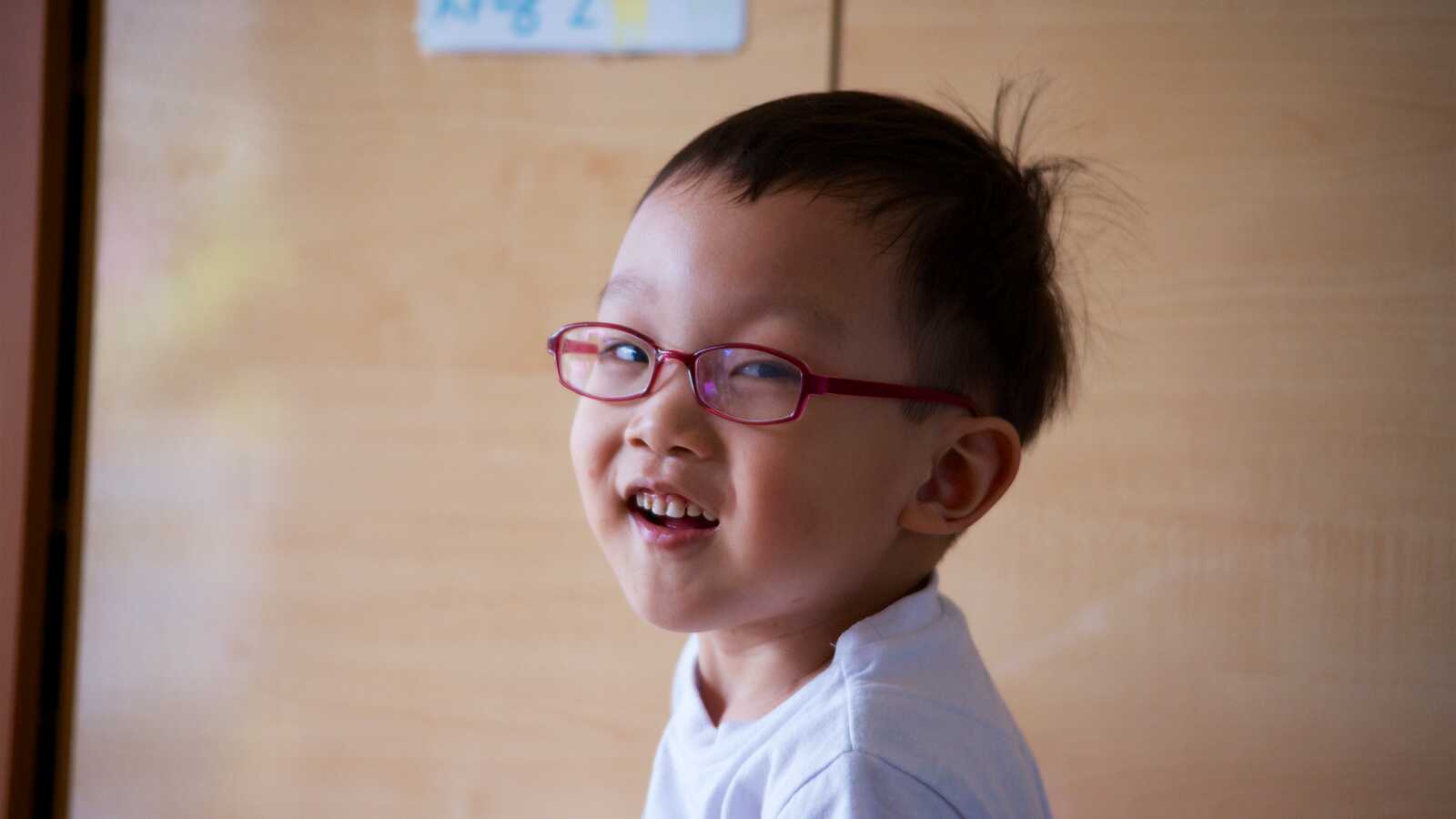
Holt seeks international adoptive families primarily for children with special medical or developmental needs.
Help Children & Families in Korea
Single mothers in Korea need support and resources to parent their children. And children with special needs in orphanage care need medical care, therapies, special education and more to reach their potential. Your gift will help a child or family in Korea in greatest need.
Family Strengthening
Child sponsorship helps children and families thrive in Korea.
In Korea, the most vulnerable families are often those headed by a single parent. Holt sponsors and donors help provide services such as counseling, education and safe childcare for single parents as well as struggling families at risk of separation — helping families stay strong and together.

Education
Through seven community centers across the country, Holt sponsors and donors provide educational support for children from struggling families. This support includes books and supplies to help prevent children from dropping out of school. Social workers assess each child’s development and help meet individual needs that are identified. At the community centers, children and adults with special needs also benefit from special activities. With additional services for elderly grandparents, low-cost medical care, counseling for families in crisis and more, these community centers are a safe, supportive environment for children and families to learn and grow together.
Early Childhood Care & Development
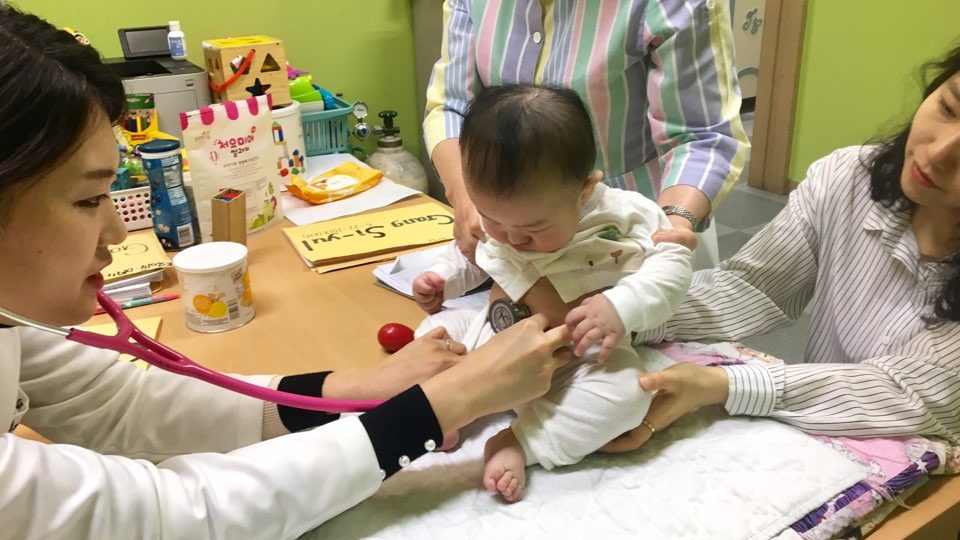
Throughout Korea, Holt sponsors and donors support five daycare programs and three family support centers for low-income families at risk of separation. At daycare, young children become socialized and begin to develop critical life skills.
They receive developmental assessments and individualized support and interventions. Children receive a nourishing breakfast or lunch every day. Through this program, families in crisis can receive counseling and support as needed. Holt-supported daycare programs are also safe places for parents to drop off their children while they work to earn an income. Without this safe childcare option, in many cases, parents would not be able to work — lowering their overall household income. But because of the generosity of donors and sponsors, parents in Korea are empowered to provide for their children and keep their family intact.

Economic Empowerment
In Korea, unwed motherhood is one of the leading reasons women choose adoption for their children. When a single woman becomes pregnant, she could lose everything — her family, friends, career, education, housing and hope for the future. Despite numerous advances in other aspects of Korean life, the stigma against unwed mothers remains firmly entrenched in this culture that places so much emphasis on bloodlines. Historically, Koreans have viewed having a child out of wedlock as breaking the purity of a family’s bloodline — bringing shame on the woman and her family. Due to stigma and discrimination, employers may refuse to hire a single mother. She may not gain admittance to college or other educational pursuits. She may not even be able to marry. If she chooses to openly parent her child as a single mother in Korean society, the greatest fear that these mothers face is that their child will also face a lifetime of shame and discrimination. This stigma is so strong and enduring that many women feel like they have no choice but to relinquish their child for adoption.
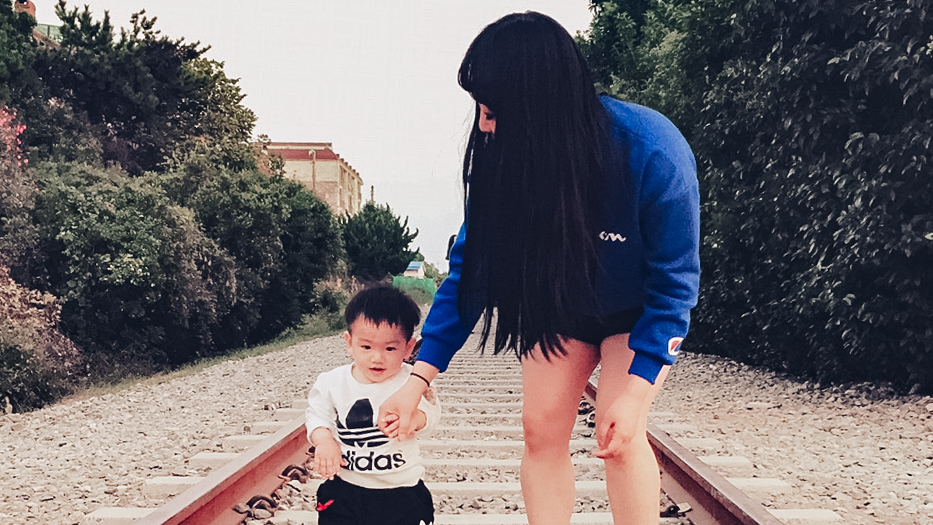
Through our partner agency in Korea, Holt sponsors and donors help to empower women and show them that they do have a choice. Holt Korea operates several shelters for mothers and their children where they can receive free housing, nutritious food, comprehensive health care, counseling and educational support in a safe and positive environment. They receive life skills and vocational training to help them earn a stable income and provide for their child once they leave the shelter. While in care, they also receive therapy to help them cope with the stigma they face. The overall mission of the shelters is to help each mother gain the skills she needs to successfully parent, provide for her child and care for herself. Today, a majority of the women who stay at the shelter ultimately choose to parent their child and many have gone on to attend college or pursue other goals.
In addition to single mothers, Holt sponsors and donors also help to empower individuals with special needs through the Goyang workshop in partnership with the Korean government. The Goyang Community Center for the Disabled is located near the Holt Ilsan Center, and was constructed on land provided by Holt. It serves that larger metropolitan area, and is open to all individuals with special needs, offering comprehensive services in partnership with the local government. Participants receive guidance, mentoring and training in various job skills. They also have the opportunity to earn money through on-site workshops.

Nutrition & Health
When women stay at Holt’s mother and child shelters, sponsors and donors ensure both they and their children receive the nourishing food and medical care they need to thrive. Mothers have the option of preparing food for their family, which empowers them with skills to care for their children once they leave the shelter.
Across the country, sponsors and donors also provide a nourishing daily meal for children who attend Holt-supported daycare centers. These meals provide essential nutrition for children whose families are struggling to make ends meet and put food on the table.
Orphan & Vulnerable Children Care
Child sponsorship provides care for Korea ’s most vulnerable children.
In Korea, children primarily come into institutional care for two reasons — the stigma against single parenthood, or their parents’ financial inability to care for their special needs. Holt donors help to ensure these children receive nurturing, attentive care while they wait to join a permanent family.

Foster Care
In the 1960s, Holt pioneered foster care in Korea as a more nurturing alternative for children living in institutional care. Through Holt’s model of foster care, children receive the one-on-one care and attention they need to reach developmental milestones. Many children in foster care in Korea are on track for adoption, and the loving bonds they develop with their foster families lay the foundation for them to form healthy emotional attachments with their adoptive families. Holt sponsors and donors provide the resources needed for children to stay in foster care in Korea, including nutritional support, monthly medical checkups and individualized medical care or therapy for children with special needs. In many ways, Holt foster care exceeds standards set by the Korean government, and Holt’s model has been replicated in countries around the world.
Foster families are carefully selected, receive specialized training in childcare and development, and all are dedicated to Holt’s mission of providing loving, permanent families for children — either by rejoining their birth family or joining an adoptive family in Korea or the U.S. Some Holt foster parents have served for decades — in some cases, caring for upwards of 100 children over the course of their service.
Standards of Care
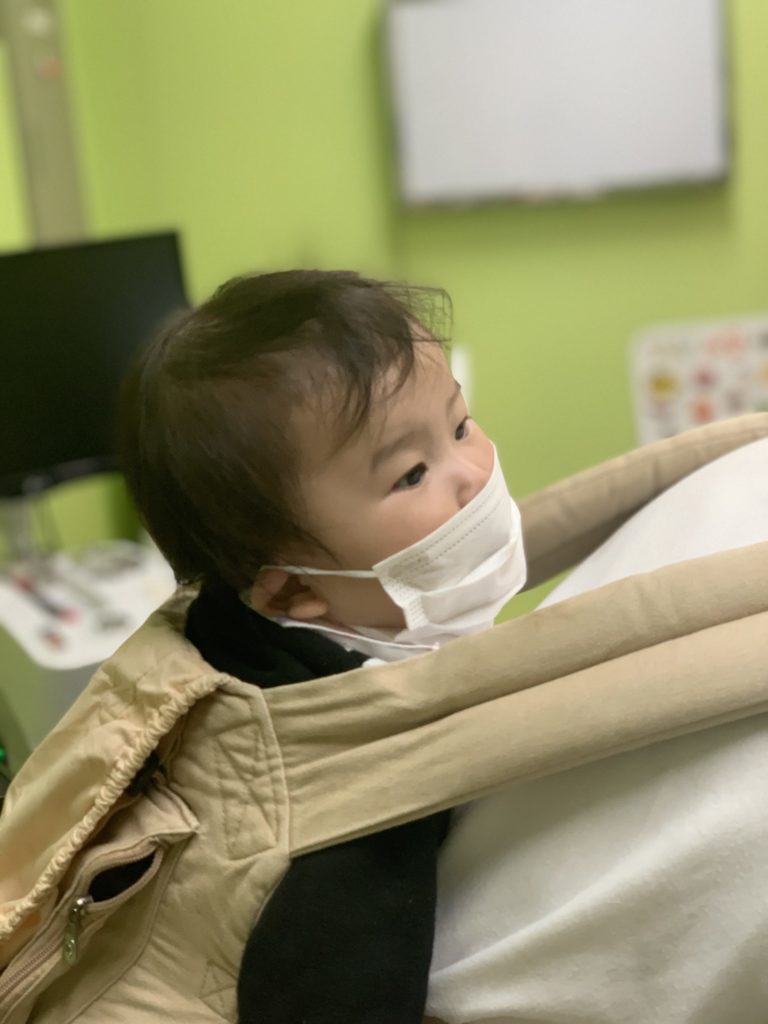
From the beginning, Holt has worked to help elevate the standard of care provided to orphaned and vulnerable children in Korea — especially children with special medical or developmental needs. After creating an international adoption program for children left orphaned and abandoned in the wake of the Korean War, Holt’s founders were concerned about the children who weren’t able to join families through adoption. Many of these children had profound medical and developmental conditions and needed specialized care. In the early 1960s, our founders built a long-term care facility and permanent home for these children near the village of Ilsan. At Ilsan, children and adults with special needs receive everything from vocational training to music therapy to help living as independently as possible. Today, the Holt Ilsan Center is recognized around the world for the care and community they provide to people with special needs and is emulated in numerous countries.
In the 1960s, Holt’s founders also pioneered foster care to provide a more nurturing, family-like care environment for children living in institutions. Holt’s model of foster care emphasizes one-on-one attention to nurture children’s growth and development, and has been replicated in numerous countries. Since 1981, Holt Korea has operated a child care center where families in crisis can bring their children for temporary care. At the Jeonju Babies’ Home, sponsors and donors provide the holistic care children need to thrive while they wait to reunite with their families. The standard of care provided here meets or exceeds the standard set by the Korean government.
Family Reunification
Since 1981, Holt Korea has operated the Jeonju Babies’ Home as a haven for families in crisis — a place where they can bring their children for temporary care and support while they work to get back on their feet. The goal of the babies’ home is to reunite children with their families, and families are encouraged to have regular contact with their children while in care. Families also receive counseling and support to help them cope with difficulties they face, and build the confidence and skills they need to parent their child.
While Holt Korea manages the babies’ home, Holt International sponsors step up to help provide food, clothing, education and other basic necessities for every child in care. Children receive developmental assessments and needed interventions. They also receive regular medical checkups and any needed medical care or rehabilitative therapy for special needs. With the support of sponsors and donors, the children at Jeonju have everything they need to thrive while they wait to rejoin their birth families. In some cases, children who are unable to reunite with their birth families are able to join a loving family in Korea through domestic adoption.
Nutrition & Health
In many of our programs in Korea, nutrition and health standards exceed those set by the government. At the Holt Ilsan Center for children and adults with special needs, sponsors and donors ensure residents receive optimal nutrition for their individual and unique needs. Residents receive monthly medical checkups, any needed medical care and state-of-the-art therapy to help them reach their full potential and live as independently as possible.
Ilsan strives to provide not just overall health, but overall wellness for its residents. Ilsan facilities include a full gym with sports equipment tailored to individuals with physical special needs, and Ilsan’s wheelchair basketball team competes nationally.
With the support of sponsors and donors, Holt’s foster care program in Korea also exceeds national nutrition and health standards. Children receive nourishing meals, regular medical checkups and individualized medical care and therapy. Holt’s Bluebird Program prepares children aging out of institutional care for independent living. The children and teens in this program receive guidance in proper nutrition and personal hygiene, and also receive training in how to access medical care and national medical insurance once they leave orphanage care.
Adoption in Birth Country
Everywhere Holt has adoption programs, our first priority is always to reunite children with their birth families whenever possible. When this is not possible, Holt seeks to place children in the loving care of a domestic adoptive family — giving every child the opportunity to grow up in the country and culture of their birth. Holt has long advocated alongside the Korean government for the growth of domestic adoption by families within Korea. Today, many Korean children join families in their country of birth every year.
With the support of sponsors and donors, Holt advocates for children in foster families or in care at the Holt Ilsan Center or Jeonju Babies’ Home to join domestic adoptive families whenever possible. And today, our partner, Holt Korea, is the leading domestic adoption agency in Korea.
Ilsan Center for Children & Adults With Special Needs
After pioneering international adoption in Korea in the mid-1950s, Holt’s founders were concerned about the children who weren’t able to join adoptive families. Often, these children had profound medical and developmental conditions and needed specialized care in order to lead full, healthy lives. In the 1960s, the Holts built a long-term care facility and home for these children near the village of Ilsan.
Today, the Holt Ilsan Center is recognized around the world for the care they provide to children and adult residents with special needs.
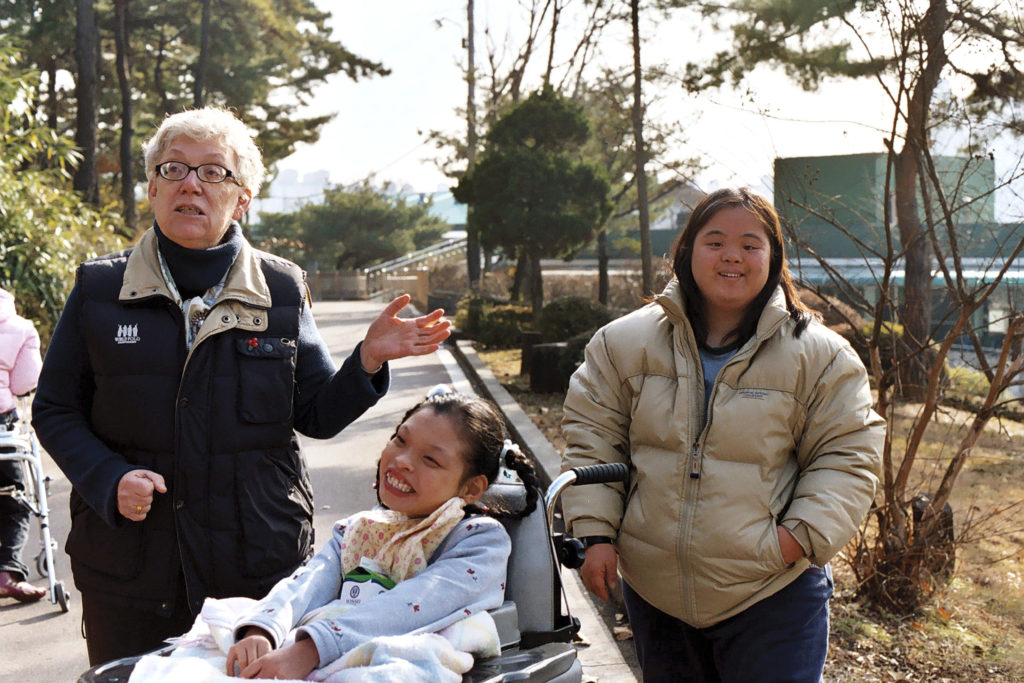
At the Ilsan Center, Holt sponsors and donors help provide specialized, state-of-the-art therapy, independent living training, and special education and tutoring for children at a school adjacent to the property. Adult residents receive vocational guidance, mentoring and training and may build their skills by working in an on-site coffee shop or garden, or at workshops where they learn ceramics or other crafts. All money earned goes into the individual bank accounts of the residents who take part in these opportunities. The Ilsan Center also provides many recreational and social activities for residents, including music classes and sports facilities with equipment tailored for individuals with physical special needs. The Ilsan Choir has performed in Korea and overseas, and Ilsan’s wheelchair basketball team competes nationally.
For children in care, the services they receive at Ilsan help prepare them to join adoptive families in Korea or the U.S. For long-term residents, the services provide greater quality of life and help them live as independently as possible. Some residents eventually move into their own apartments and even get married with continued support from Ilsan.
The Bluebird Program
Every year, over 6,000 young adults age out of orphanages in Korea. Even though many have living relatives, they are labeled “orphans” and face stigma and discrimination due to the strong value placed on bloodline in traditional Korean culture. Many aged-out orphans struggle to find jobs due to this stigma, and many face a lifetime of poverty. They are vulnerable to scammers and other predators as well as sex traffickers who prey on young adults without any family ties. Some aged-out orphans, out of desperation, end up turning to crime as a means of survival. But in most cases, they simply struggle to get by in a society that shames them at every turn. Even if they overcome the odds and earn a college degree, they will likely continue to face discrimination in the hiring process. In Korea, nearly all job applications require family documentation.
Through Holt’s Bluebird Program, sponsors and donors help prepare children and youth living in orphanages for the transition to independent living once they age out of institutional care in Korea. Children receive vocational guidance, mentoring and training to help them secure a job, earn an income and support themselves once they leave.
They receive guidance in everything from nutrition to personal hygiene to how to access medical care and national medical insurance. They also receive educational support, tutoring and mentoring, and financial assistance if they choose to pursue higher education. The services provided through this program help ease their transition to independent life, and empower them to thrive as young independent adults in Korean society.
International Adoption from Korea
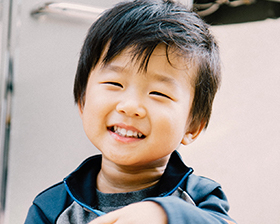
Helping Children Join Loving, Permanent Families
In 1956, Holt pioneered the modern practice of international adoption in South Korea — uniting over 36,000 children with adoptive families in the decades that followed. Today, Holt continues to seek adoptive families for Korean children who truly need them, including many children with special needs.